Construction website design: the twelve things a subcontractor site needs to win tenders
The twelve elements a construction company website needs for buyers and AI tools, why templates fail, the design choices that help and what to do this week.
- A construction company website is judged by procurement teams and AI tools against the same checks as a PQQ, so design means showing evidence, not decoration.
- The twelve elements that matter: a page per trade, verifiable accreditations, PQQ-format case studies, sector pages, a capability statement, a named tender contact, matching business details, structured data, fast mobile load, real photography, published values and a route for tender packs.
- Templates fail because they have no place for any of this; the design is secondary to the structure.
- A good construction website costs £3,000 to £6,000 for a subcontractor with ten or more staff and should be judged against one won package.
- Run the free Tender Check before briefing anyone; it tells you which of the twelve you already have.
Most guides to construction website design are written by designers for designers: colour palettes, hero images, “bold typography”. None of it matters to the people who decide whether a subcontractor gets a tender. A quantity surveyor, a supply chain manager or an AI assistant asked to shortlist firms in your trade is looking for evidence, and the design of a construction company website is the arrangement of that evidence so it can be found and verified in under a minute. This guide sets out the twelve elements that do the work, in the order a buyer meets them.
Who the website is actually for
Not the public, and mostly not the client. A subcontractor’s website is opened by three kinds of reader: an estimator or QS at a main contractor checking whether you are worth inviting to tender; a procurement or supply chain team verifying what your Constructionline or CHAS entry claims; and, increasingly, an AI assistant doing both on their behalf. Forrester’s 2026 survey of 18,000 business buyers found 94% used AI in their last purchase. Each reader has the same question: can we rely on this firm for a package of this size, in this sector, in this region? Every design decision follows from that.
The twelve elements of a construction website that wins work
- A page for each trade or package. Groundworks, drainage, RC frames, each with scope, typical values and sectors. A buyer searching for an RC frame contractor cannot use a page about everything, and neither can an AI tool.
- An accreditations page written out as text. CHAS, Constructionline, SafeContractor or SMAS with the level and expiry, ISO certificates with the issuing body, insurance limits, each linked to the public register. The accreditations guide covers the format.
- Case studies in the shape a PQQ asks for. Client, main contractor, sector, value band, programme, scope, constraints, outcome, named contracts manager. See how to write them.
- Sector pages. Housing, education, healthcare, commercial, industrial, infrastructure. Buyers search by sector and the Common Assessment Standard asks for sector experience.
- A capability statement generated from the site, so it never goes out of date and a bid writer can attach it.
- A named tender contact with a direct email, a stated response time and tap-to-call on mobile. Not info@.
- Business details that match Companies House, Constructionline and Google Business Profile exactly. AI tools compare them.
- Structured data and an llms.txt file, so machines read your accreditations and services as facts rather than guessing from a logo strip.
- Fast on a phone over a site connection. Estimators read on site. Under two seconds to the first heading.
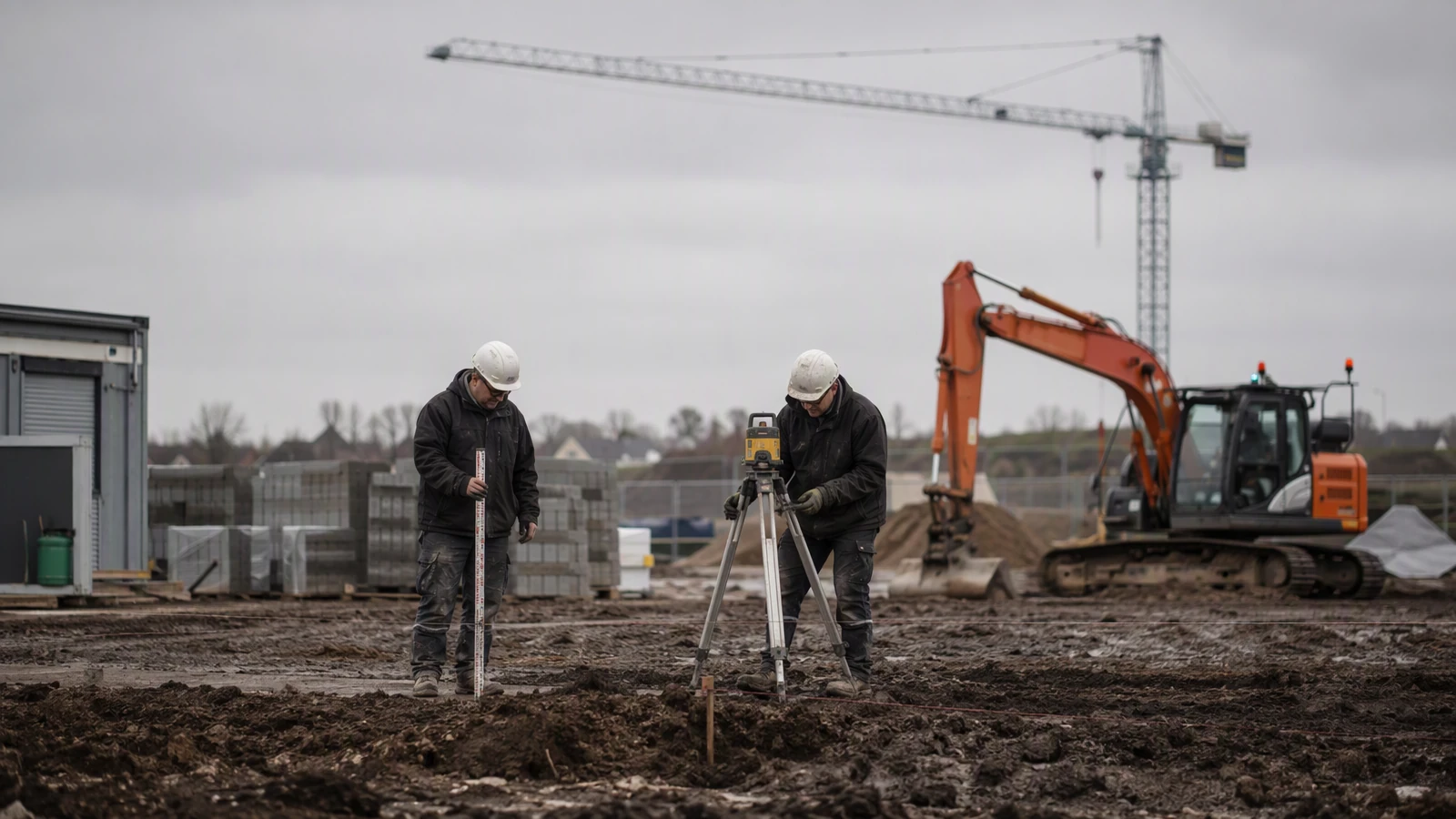
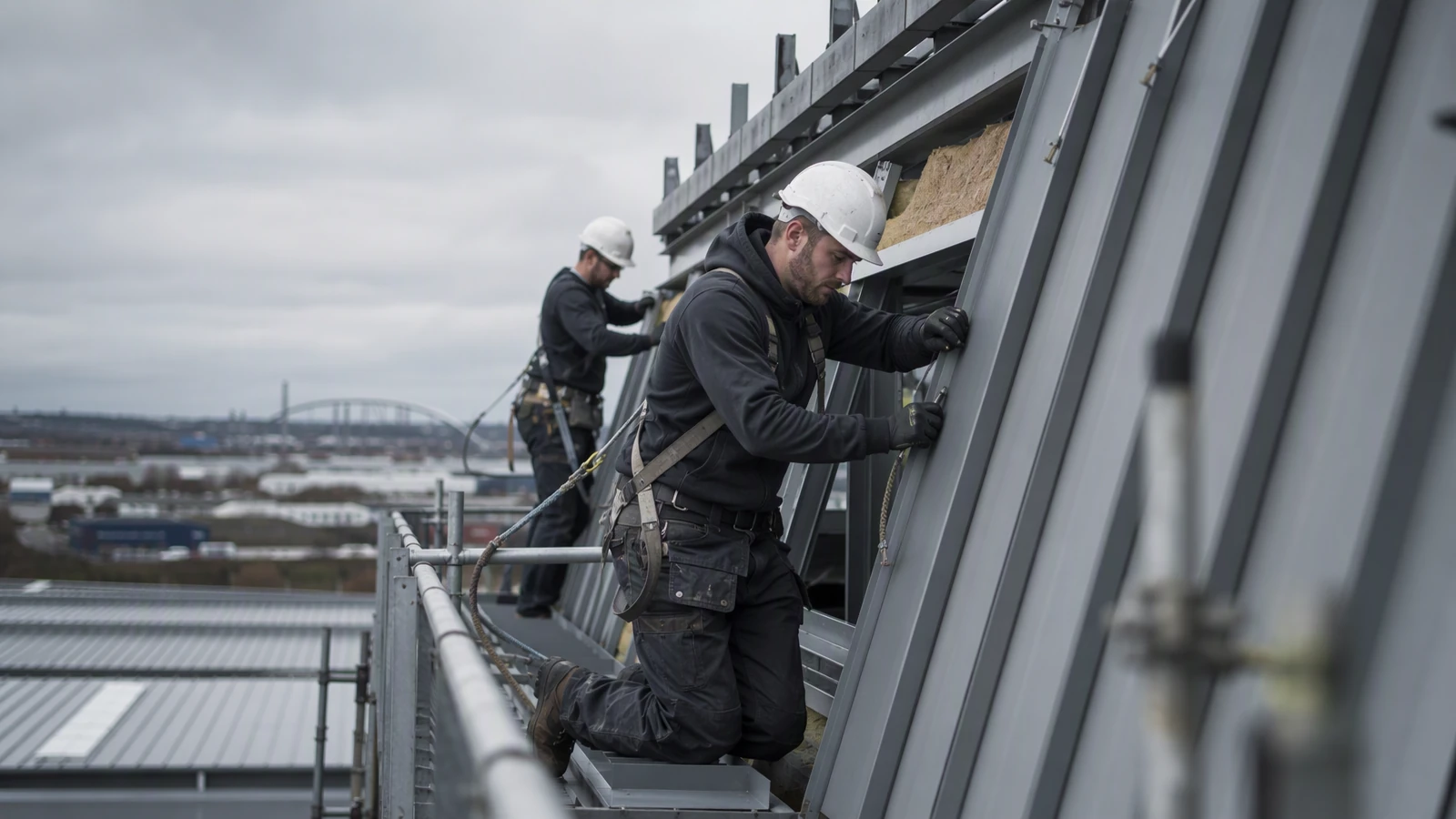
- Photographs of your crews, plant and sites, not stock. A buyer can tell, and so can an AI model asked to describe your firm.
- Published values or value bands. “Packages from £250k to £2m” tells a buyer in a second whether you fit.
- A route for tender packs: document upload or a stated address for drawings, with confirmation of receipt within a working day.
Why templates fail this test
A £1,500 template has a services page, an about page, a gallery and a contact form. It has no place for accreditations as data, no case study fields, no sector structure and no tender route. It can be made to look like a construction website in an afternoon and it will fail the Verified and Evidenced stages of the Tender Check every time. The design was never the problem. Our own build is set out on the websites page; the cost guide explains what each price point buys.
Design choices that help, in order
- Dark or light, it does not matter; contrast and reading size do. Body copy at 17px or above, headings in sentence case.
- Navigation by trade and sector, not by “services” and “projects”.
- Accreditation logos only where the text version is on the same page.
- One call to action per page: send us a tender, or run the check.
- No carousels, no auto-playing hero video on mobile, no pop-ups on first visit.
What to do this week
- Run the free Tender Check on your current site and count which of the twelve elements you have.
- List your trades and sectors as a buyer would search for them; that is your sitemap.
- Pull the nine fields for your three best packages from the job files; that is your first three case studies.
Questions this raises
How much should a construction company website cost?
For a subcontractor with ten or more staff, £3,000 to £6,000 for a custom build around how packages are procured. Under £2,000 buys a template that fails the buyer checks; above £8,000 is usually a group with several divisions.
Do I need a page for every trade?
Yes, if you tender for them separately. A buyer looking for a drainage contractor searches for that, and an AI tool cannot cite a general page for a specific question.
Should the website show prices?
Value bands, not rates. “Packages from £250k to £2m” qualifies you in a second without disclosing a tender price.
How long does a construction website take to build?
Six weeks for a custom site, with the launch date agreed before work starts. A template can be live in a week and will need replacing within the year.
See where your own website stands.
The free Tender Check scores your site on the four stages buyers and AI tools check before they shortlist a subcontractor. Three minutes, your result straight away and a personal review within one working day.