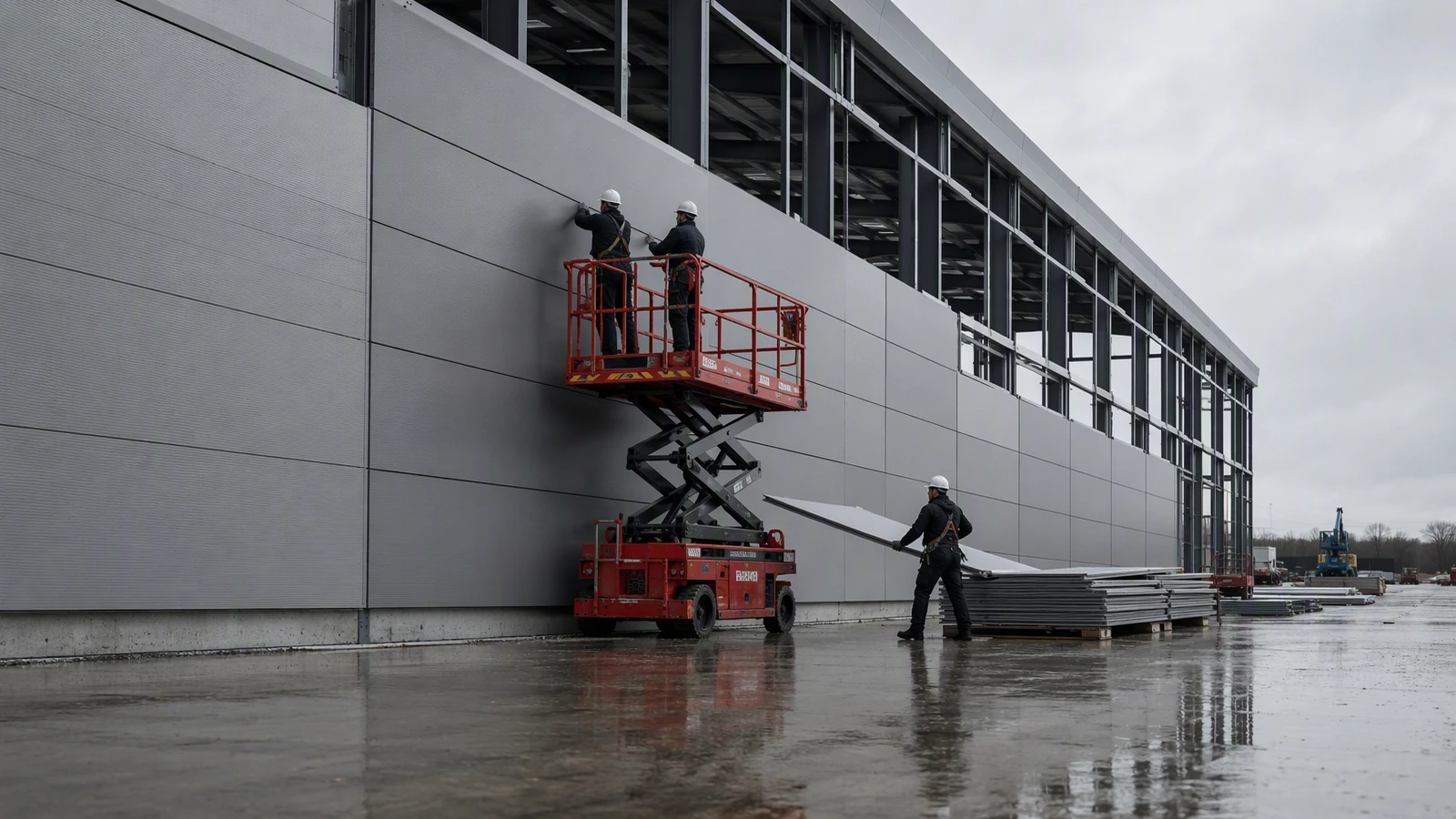
Groundworks and civils websites that get you on the shortlist.
Your buyers are main contractors, developers, housing associations, local authorities and utility clients. Before they invite you to tender they check your accreditations on the registers, look for projects like theirs at their value, and increasingly ask an AI assistant who in the region does your kind of work. A QS pricing a £600k package wants to know you have delivered at that value and on that programme before, and whether you self-deliver drainage and RC or sub-let it. We build the website that answers all of that before anyone picks up the phone.
Four stages, one trade, built around how your packages are procured.
The four stages the Tender Check scores are the same four a buyer goes through before they shortlist a groundworks contractor. Here is what each one means for your trade.
Found
A buyer searches for “groundworks contractor Manchester” or asks ChatGPT which groundworks and civil engineering contractors in the region have worked for a Tier 1. A page per package, a page per region you cover and a Google Business Profile in the right category are what put you in that answer.
Verified
For your trade that means CHAS or Constructionline SSIP, ISO 9001, 14001 and 45001, NRSWA street works, CPCS and NPORS operator cards and your accident frequency rate, written out with level, issuing body and expiry, each linked to its register. Logos verify nothing. Text does, for a procurement team and for the AI tools they now ask.
Evidenced
Case studies written the way a PQQ asks for them: client, main contractor, value band, programme, sector and the volumes involved: cubic metres of excavation, linear metres of drainage, square metres of slab. Plus a downloadable capability statement and your H&S and environmental figures on one page, so a bid writer can attach you to a tender without emailing first.
Contacted
A named tender contact with a direct email and phone, a stated response time for tender invitations, a route for sending drawings and tender packs, and tap-to-call on every page, because the enquiry usually comes from a site office, not a desk.
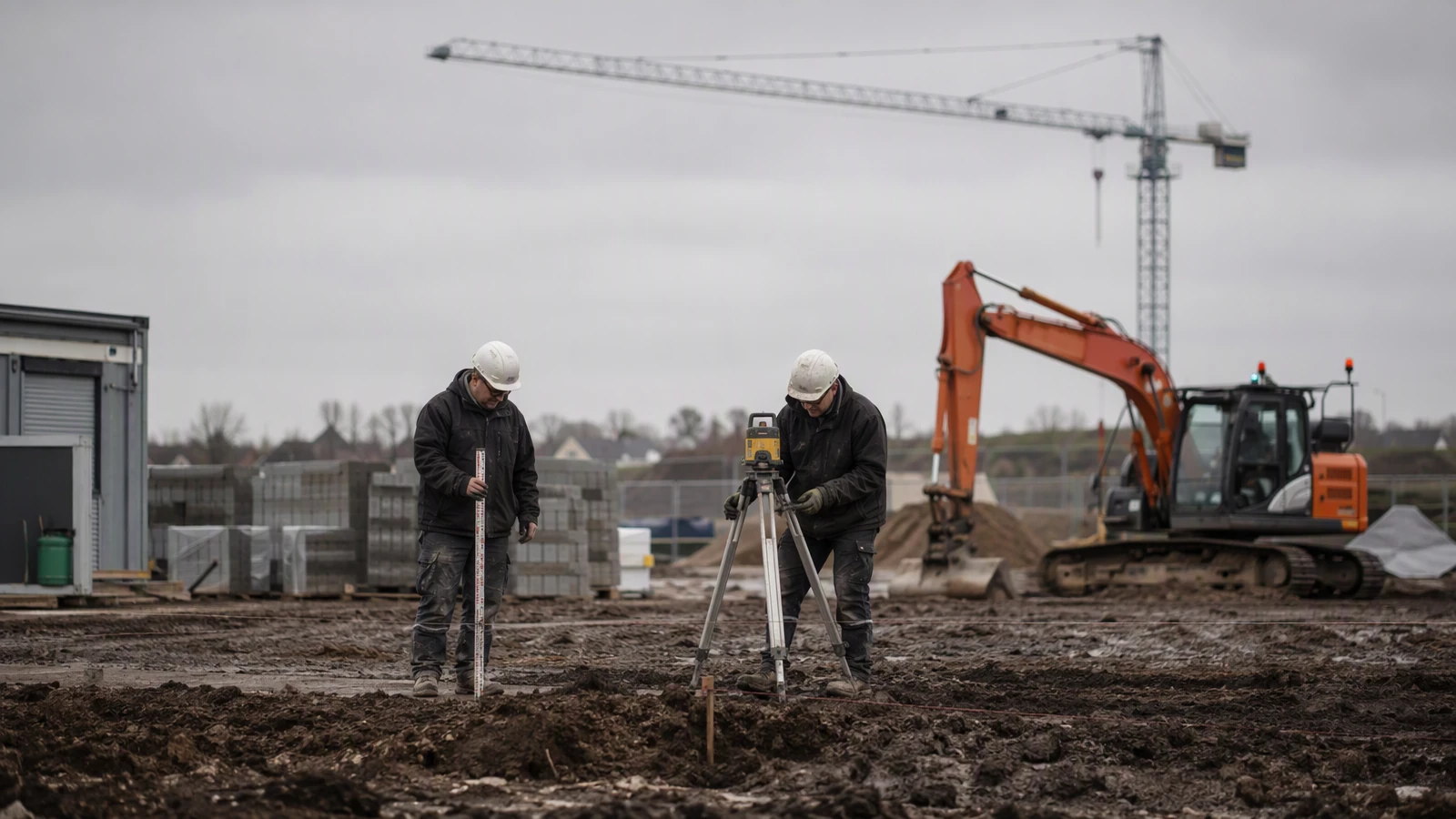
Every page a groundworks contractor needs, and nothing you will not use.
The structure is the same for every groundworks contractor we work with. The content is yours: your packages, your accreditations, your projects and the buyers you want more of.
- A page for each package you tender for: groundworks, drainage, foundations, RC frames, external works, 278 and 38 works, and remediation, each with scope, typical values, sectors and the accreditations that apply.
- An accreditations page with CHAS or Constructionline SSIP, ISO 9001, 14001 and 45001, NRSWA street works, CPCS and NPORS operator cards and your accident frequency rate written out and linked, and added to your structured data so AI tools can read them.
- Up to 15 case studies with client, main contractor, value band, programme, sector and the volumes involved: cubic metres of excavation, linear metres of drainage, square metres of slab, filed by sector and value band.
- Sector and regional pages for the work you want more of, written around the main contractors and programmes that are actually there.
A downloadable capability statement, an H&S and environmental evidence page, and a tender route with document upload that works on a phone.
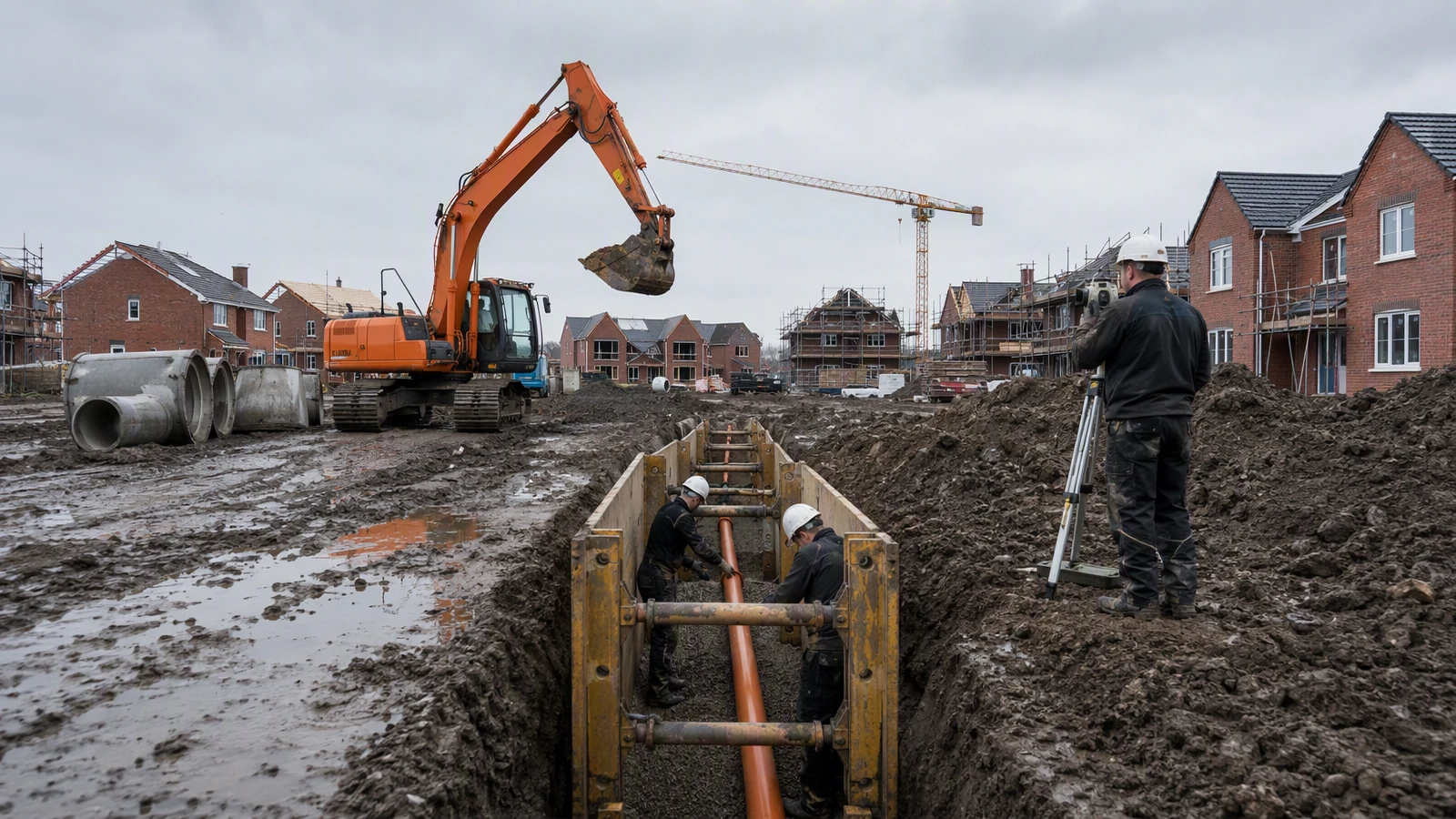
Questions from groundworks and civil engineering contractors
Do we need a separate page for RC frames and drainage?
Yes, if you tender for them as packages. A buyer searching for RC frame contractors is not served by a groundworks page, and the AI tools treat a page per package as a separate claim they can verify. The site carries one page per package you want more of, each with its own case studies.
We do a lot of 278 and utility work. Does that change the site?
It adds a page for highways and utilities work with the NRSWA, HAUC and utility accreditations written out, and case studies that name the authority or utility served. Those buyers check different registers from a housing developer, so the page speaks to them directly.
Our current site is only a few years old. Do we need a rebuild?
Possibly not. If it is on WordPress and loads quickly, the £999 Foundations Sprint fixes the accreditations, case studies, business details and tender route in fourteen days, and the fee is credited against a build if you upgrade within six months. The free Tender Check and our personal review tell you which applies before you spend anything.
Will AI tools really name a groundworks contractor?
Yes, and we test it every month. Ask ChatGPT or Google AI which groundworks and civil engineering contractors in your region have worked for a Tier 1 and it names the firms whose sites give it something to verify. Most sites in this trade give it nothing, which is why the ones that do get named.
Do you write our bids?
No. We build the evidence a bid needs: accreditations a buyer can verify, case studies in PQQ format, a capability statement and H&S figures. Your bid writer or estimator then has everything to hand, and the procurement team scoring the bid finds the same evidence on your site.
How long does it take and what do you need from us?
Six weeks from the first call for a website, with the date agreed before we start. From you: a 30-minute call, your certificates and insurance, photos and details of the packages you are proudest of, and a reply when we send copy for approval. We write everything else.
Not sure where your site stands with the buyers in your trade? Run the free Tender Check first.
Call 0191 833 0080
Talk to our friendly and knowledgeable team of web designers and digital marketing specialists.
hello@groundproof.co.uk
Send your website address and we will come back with the first three things we would fix, free.
Get found and shortlisted for groundworks and civils packages.
Tell us the packages you want more of and the main contractors you want them from. We reply within one working day with what the site would need to win them.